














"Quiet Quitting" at work means that you do nothing or don't want to do anything in the workplace, and you can Quiet Quit and rest. For a professional, "Quiet Quitting" means that your working environment no longer needs you. The term "Quiet Quitting" is a hot word that has emerged on the Internet recently. Generally speaking, it means that a person can live a good life without working. This type of person generally refers to those young people who want to "Quiet Quit". These people often have a poor life and no girlfriend. "Quiet Quitting" is a way of mental self-adjustment and psychological relaxation. This mentality adjustment is generally a psychological defence mechanism adopted to avoid the pressure, responsibility and challenges that may arise at work.
1. "Quiet Quitting" is a mentality of avoiding responsibilities and challenges
The popularity of the word "Quiet Quitting" actually has something to do with the mental state of young people today. On the one hand, young people often experience negative emotions such as anxiety and depression due to high work pressure and heavy tasks; on the other hand, because the work itself requires people to complete it, young people want to obtain more development opportunities and wealth to realize self-worth. As a result, these young people fell into a state of "Quiet Quitting". They feel that "Quiet Quitting" allows them to relax and rest and can also avoid many responsibilities. But this kind of relaxation and rest is just an illusion. In fact, they use the phrase "Quiet Quitting" to evade their inner responsibilities and challenges.
2. "Quiet Quitting" is the fear of reality
Because they feel that they cannot bear the difficulties in work and life, they want to escape. These people constantly complain to those around them, think that the job makes them incompetent, and hope that colleagues and leaders can help them solve the problem. In fact, they are just afraid of taking responsibility, thinking that in this way, they can avoid making mistakes.
3. "Quiet Quitting" is often related to economic pressure
If you want to be successful in the workplace, there is a crucial factor: financial income. You will become very anxious if you need more financial income in the workplace. And once you can't get financial income, the pressure and responsibilities you will encounter at work will be even more significant, which is why some young people always complain about being too tired at work. If you have time, try to change jobs. Because there are many different positions for everyone to choose from in an enterprise, everyone must bear corresponding responsibilities and pressures.
4. It is not advisable to "Quiet Quit" at work
"Quiet Quitting" is not advisable because this method will not only make you no progress but will also bring you more trouble. If you continue to return to your original job post after "Quiet Quitting", then you have successfully realized your own "Quiet Quitting" this time. Of course, if someone says he can start a job from scratch in a month, then such a person can do it. However, what we need to pay attention to is that this kind of situation usually happens to those employees who are more capable or experienced. Still, those who are new to the workplace rarely encounter such a situation. Because if you want to find a more suitable job position in a short period of time, it is a challenging task. So, if you don't want to "Quiet Quit" in the workplace, don't act irrationally.
How to Stop Employees from Quiet Quitting?
One of the significant factors that cause employees to "Quiet Quitting" is that businesses are forcing employees to return to the office rather than work from home. According to security swipe tracker Kastle Systems, many multi-international corporations are forcing their employees to return to the office for at least 3 days a week. These unreasonable return-to-office policies have affected the employees, who have long adapted to WFH since the pandemic. Therefore, returning to the office would highly affect the employees' emotions.
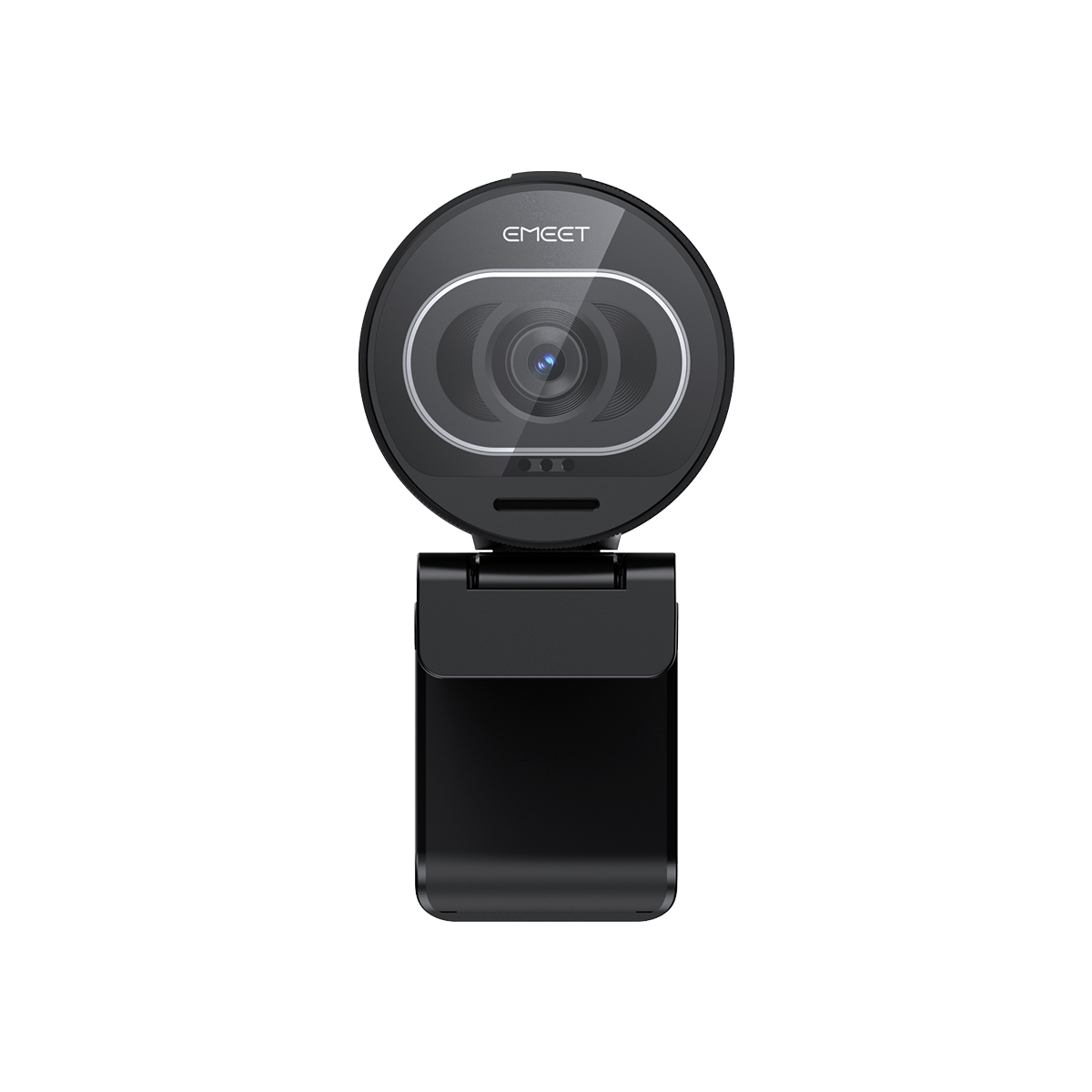
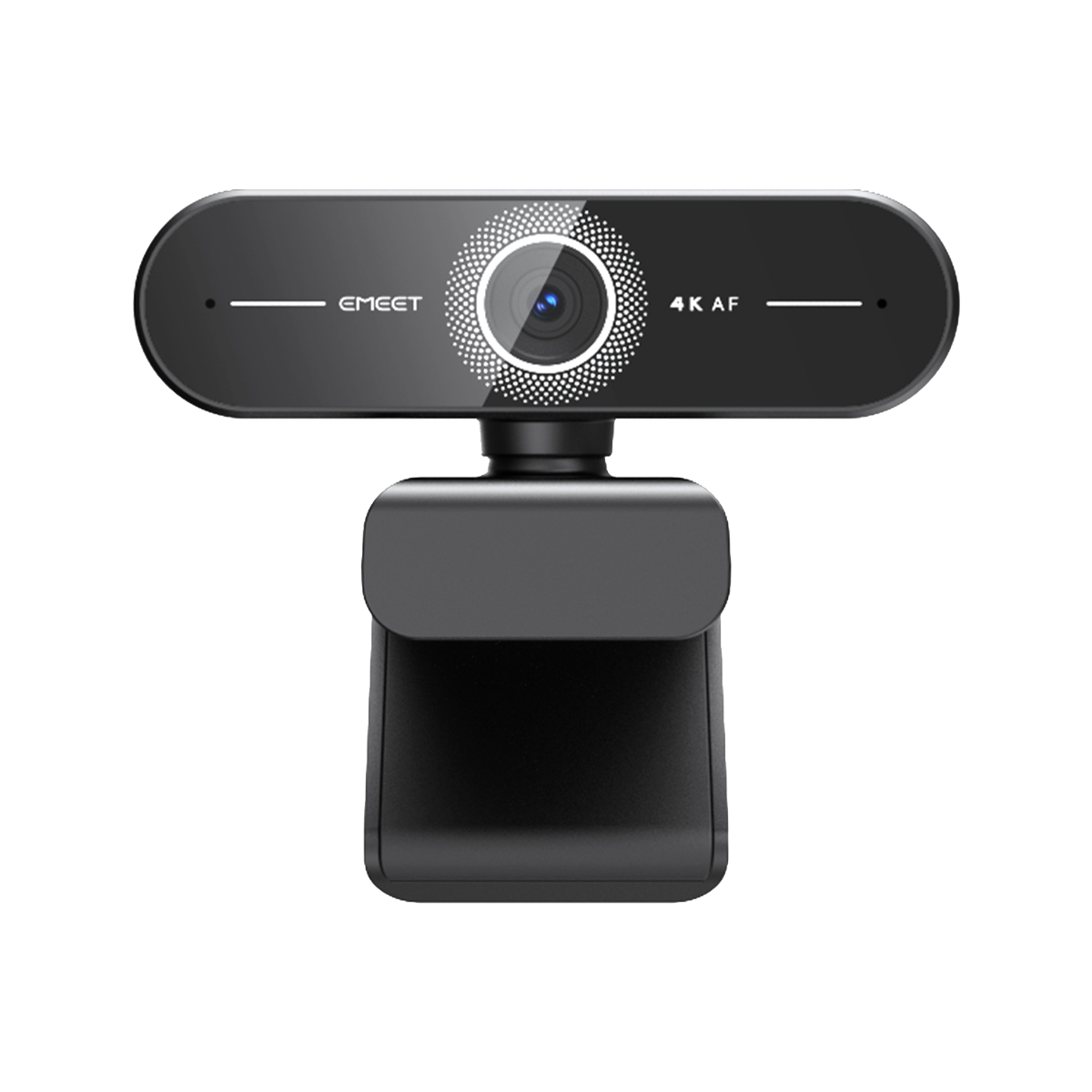
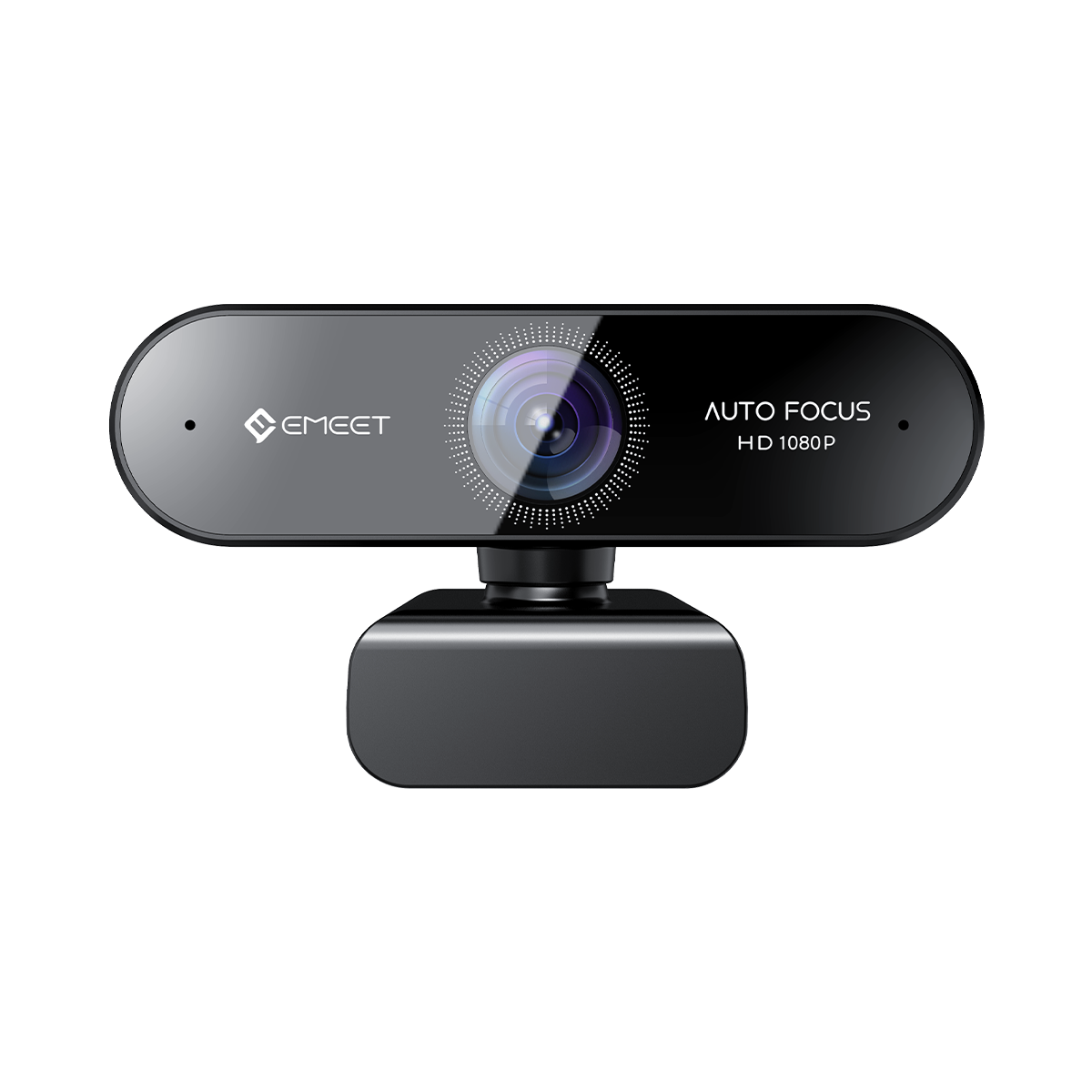
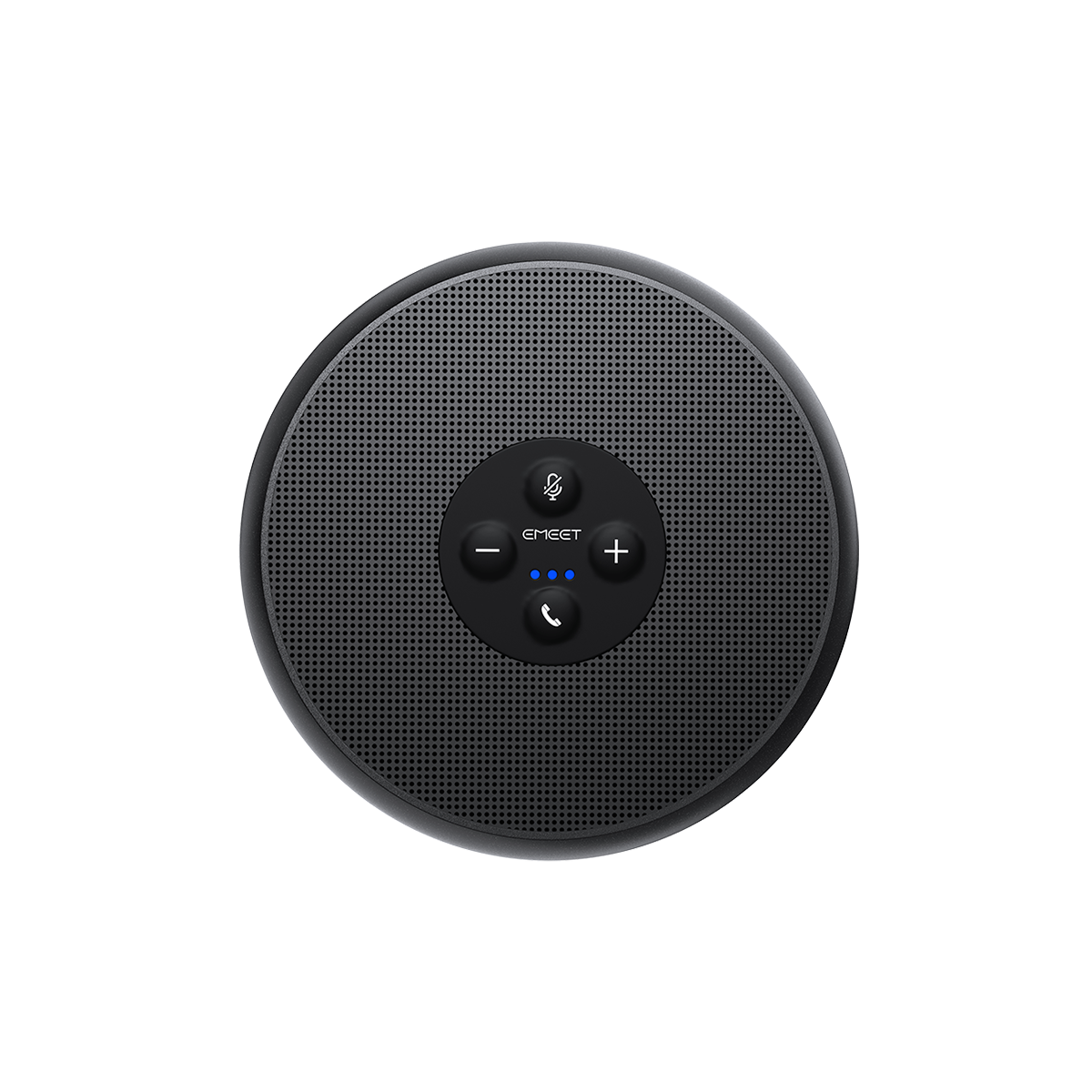
Moreover, looking at the business side of view, we can understand that companies want to have their employees returning to the office because of work productivity and lack of internal communication from WFH. However, there are many ways to solve these problems and allow employees to continue at WFH. For instance, with the advanced technology of the video conferencing equipment market, businesses can supply webcams or speakerphones for remote employees. So they can communicate freely and able to increase productivity.


