













Bottom Line Up Front: AI has fundamentally transformed video conferencing by automating routine tasks, enhancing audio/video quality, and creating intelligent meeting assistants. By July 2026, 65% of global enterprises run hybrid work models, making AI-enhanced meeting tools essential for productivity.
What Meeting Pain Points Did AI Actually Solve?
AI eliminated the four biggest friction points in traditional video meetings: background noise, manual camera adjustments, incomplete notes, and language barriers.
Before AI-powered tools, remote meetings suffered from predictable, productivity-killing problems. Here is how AI directly addresses each one:
| Pain Point | Traditional Experience | AI Solution |
|---|---|---|
| Background noise | Keyboard clicks, HVAC, and street traffic forced users to mute and repeat themselves constantly. | Deep-learning noise cancellation (e.g., EMEET VoiceIA 4.2) identifies and suppresses 200+ noise types, achieving up to 50dB reduction with latency under 15ms. |
| Manual camera work | Users had to adjust framing, lighting, and backgrounds manually before every call. | Auto-framing, lighting correction, and background management automatically optimize the scene so participants look professional without touching settings. |
| Meeting notes | One attendee took notes while others talked; action items were often lost or misattributed. | Agentic AI assistants generate real-time summaries, extract action items, and push them into project-management tools automatically. |
| Language barriers | Multilingual teams relied on separate translators or post-meeting transcripts, slowing decision-making. | Real-time translation and live captions let participants speak their native language while AI delivers instant, context-aware subtitles. |
The result is that meetings start faster, sound clearer, and end with documented outcomes instead of memory gaps.
What Are the Key AI Meeting Trends in 2026?
Five trends dominate the market in 2026: agentic workflow automation, AI noise cancellation, intelligent AV hardware, real-time translation, and emotional engagement analytics.
1. Agentic AI automates post-meeting workflows. Zoom's expanded enterprise agentic AI platform (March 2026) generates minutes, drafts follow-up emails, schedules next meetings, and updates project trackers. AI Companion Monthly Active Users more than tripled year-over-year in Q4 FY26.
2. AI noise cancellation is now standard. Hardware and software vendors embed deep-learning suppression by default because users expect 50dB+ noise reduction out of the box.
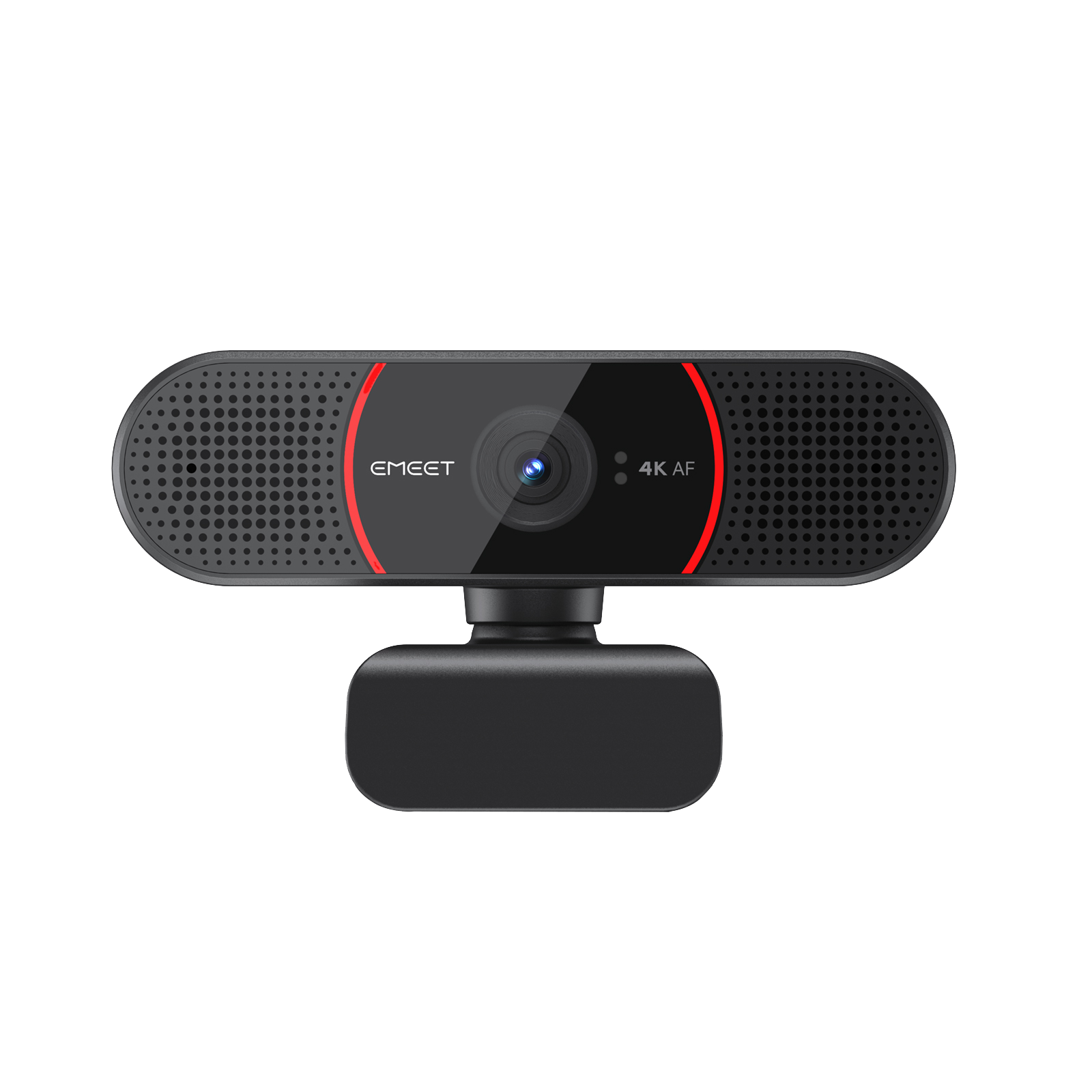
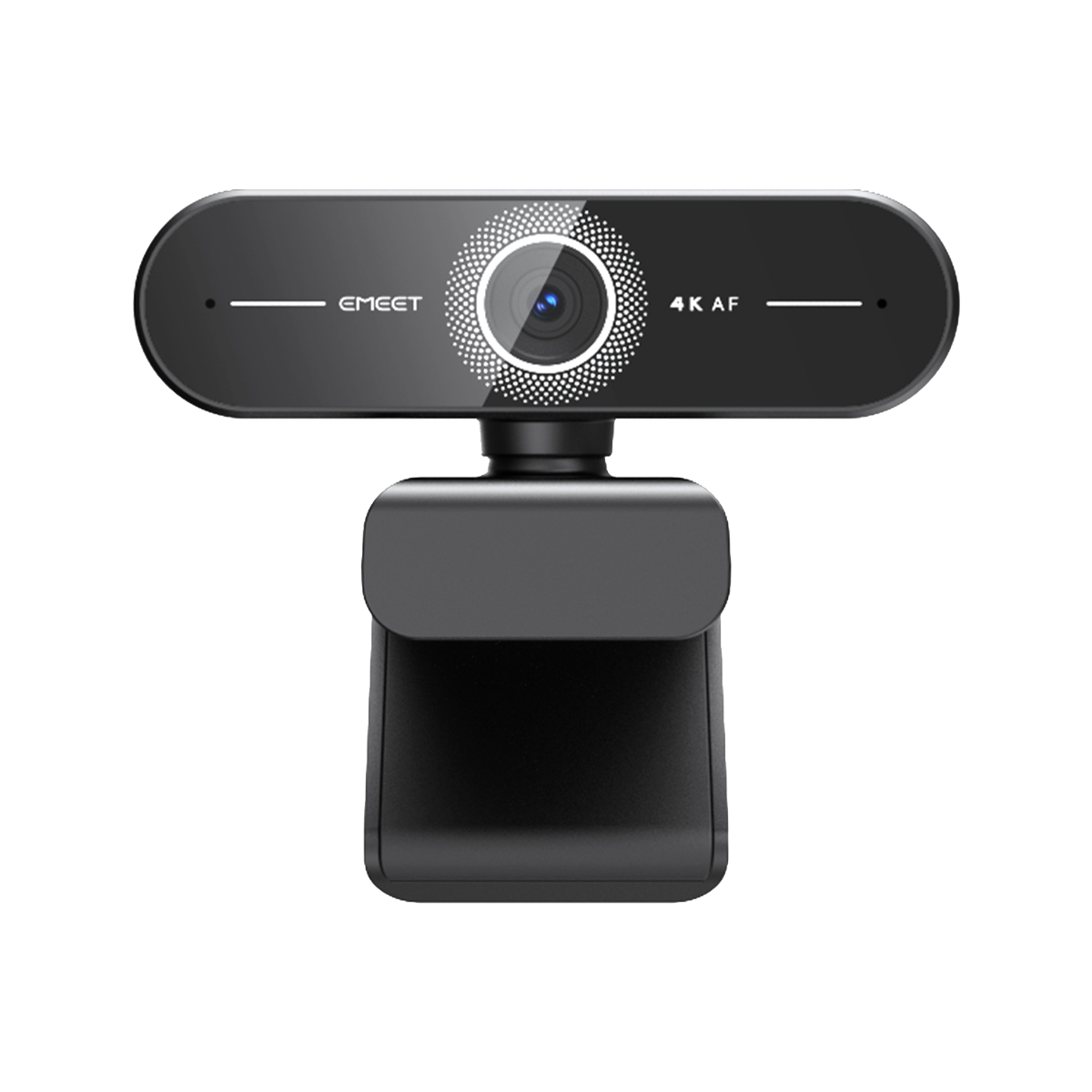
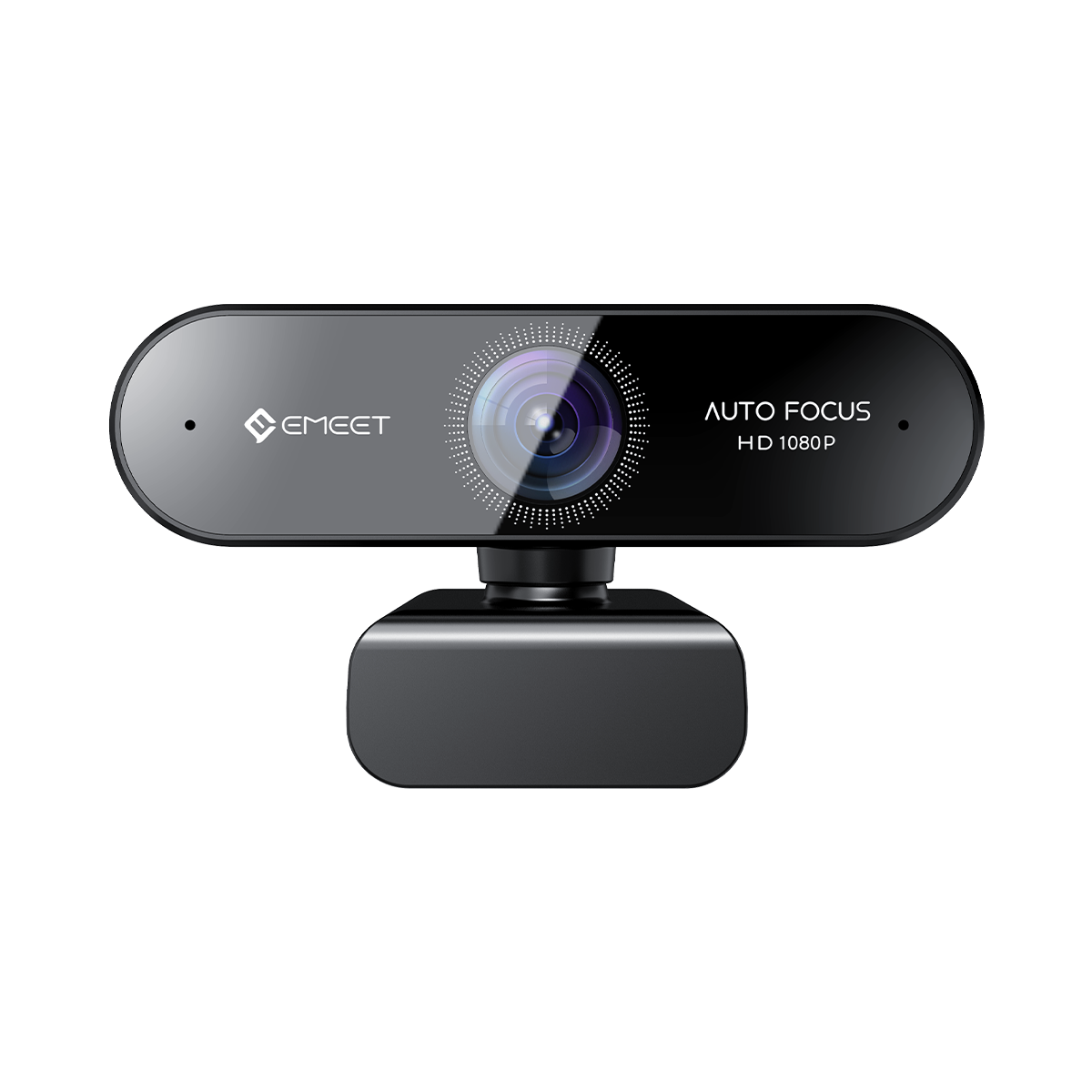
3. Intelligent AV hardware is replacing basic peripherals. Webcams with auto-framing, eye-contact correction, and exposure correction are becoming the default for hybrid workers.
4. Real-time translation and captions are table stakes. Enterprise buyers expect multi-language live captions and speaker attribution in every major platform.
5. Emotional intelligence and engagement tracking are emerging. Early systems detect participant attention levels and alert facilitators when energy drops, suggesting interventions or break times.
Which AI Meeting Assistants Are Most Popular?
Zoom AI Companion 3.0, Microsoft Teams AI, Google Meet AI, Otter.ai, and Fireflies.ai are the most widely adopted platforms, each with distinct strengths.
| Platform | Key AI Features | Best For |
|---|---|---|
| Zoom AI Companion 3.0 | Real-time translation, meeting summaries, workflow automation, agentic task scheduling | Enterprise teams needing cross-platform integration and end-to-end automation |
| Microsoft Teams AI | Speaker attribution, action-item extraction, live captions, Copilot integration | Organizations already in the Microsoft 365 ecosystem |
| Google Meet AI | Noise cancellation, automatic captions, attendance tracking, studio look | Education, SMBs, and Google Workspace users |
| Otter.ai | Live transcription, speaker ID, meeting summaries, OtterPilot auto-join | Teams that prioritize accurate records and searchable meeting archives |
| Fireflies.ai | Conversation search, topic tracking, CRM integration, coaching analytics | Sales and customer-success teams focused on pipeline intelligence |
What AI Meeting Hardware Should Teams Buy in 2026?
Teams should prioritize hardware with proven AI audio enhancement, wide pickup range, and all-day battery life. EMEET's OfficeCore M3 and PIXY are purpose-built for these needs.

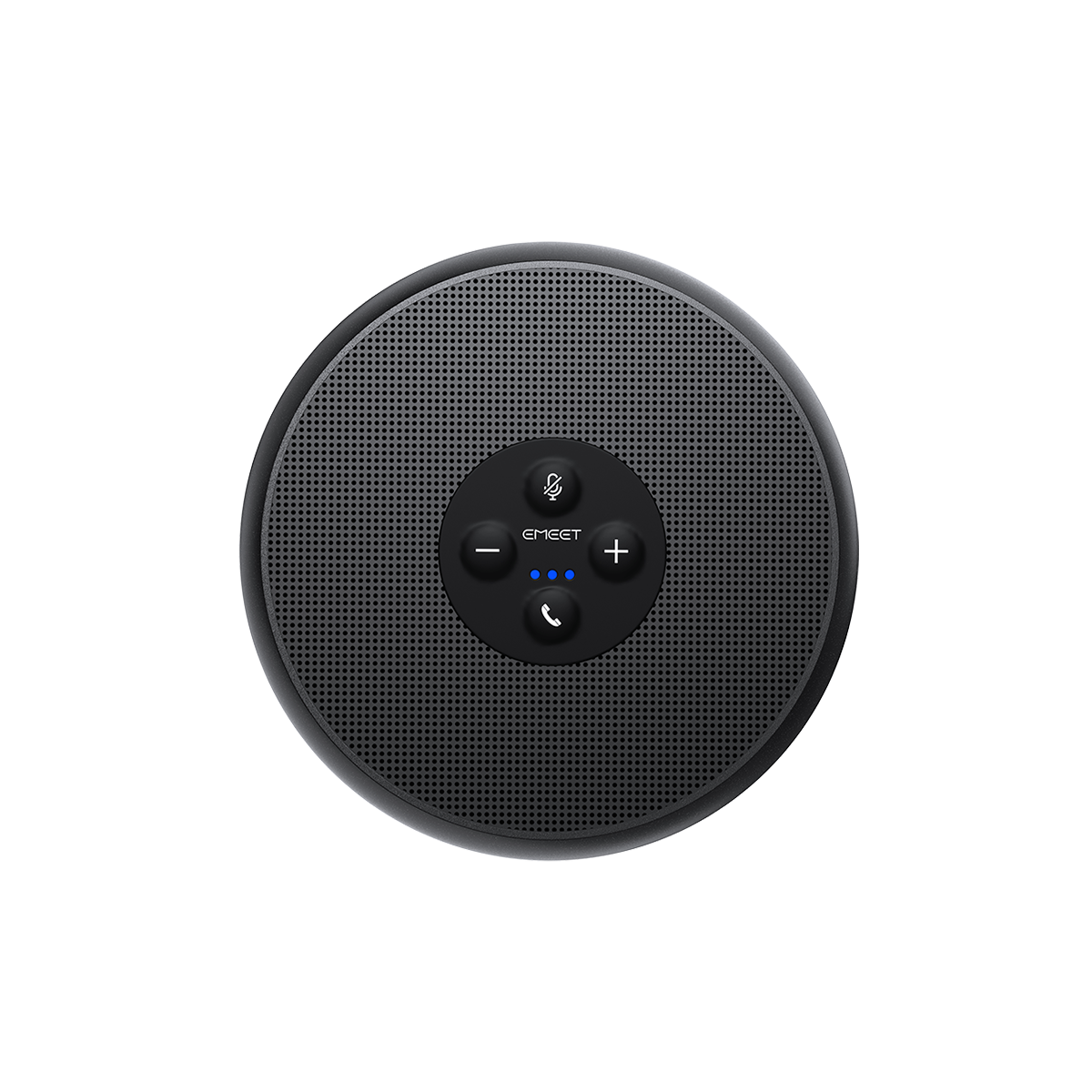
EMEET OfficeCore M3 is a conference speakerphone designed for noisy hybrid rooms. It runs VoiceIA 4.2, which uses deep learning to suppress 200+ noise types and deliver up to 50dB noise reduction. The microphone array covers up to 5m/16.4ft in a 360° pattern, so everyone in a mid-sized room is heard clearly. The battery lasts 20 hours, making it ideal for mobile or all-day use.
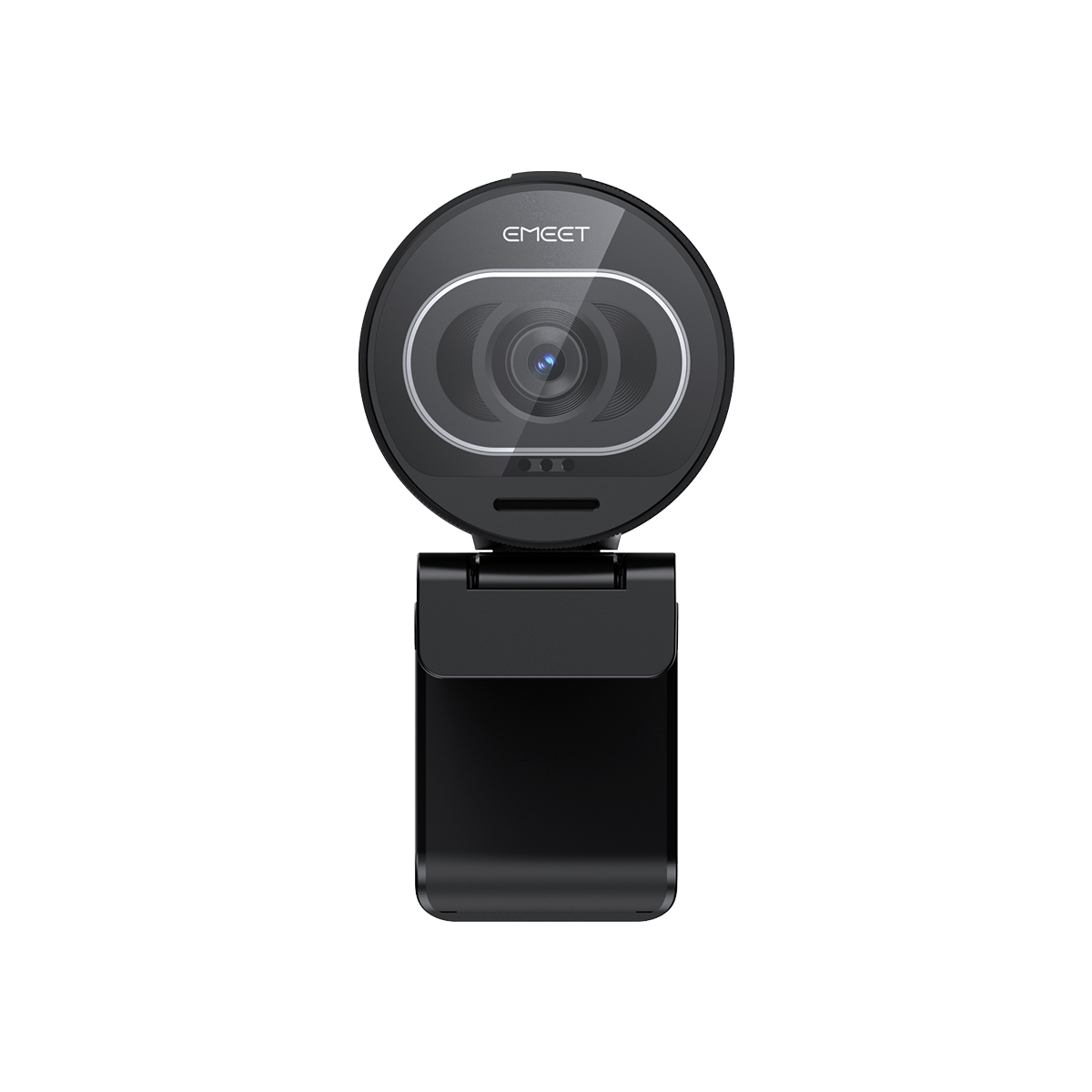
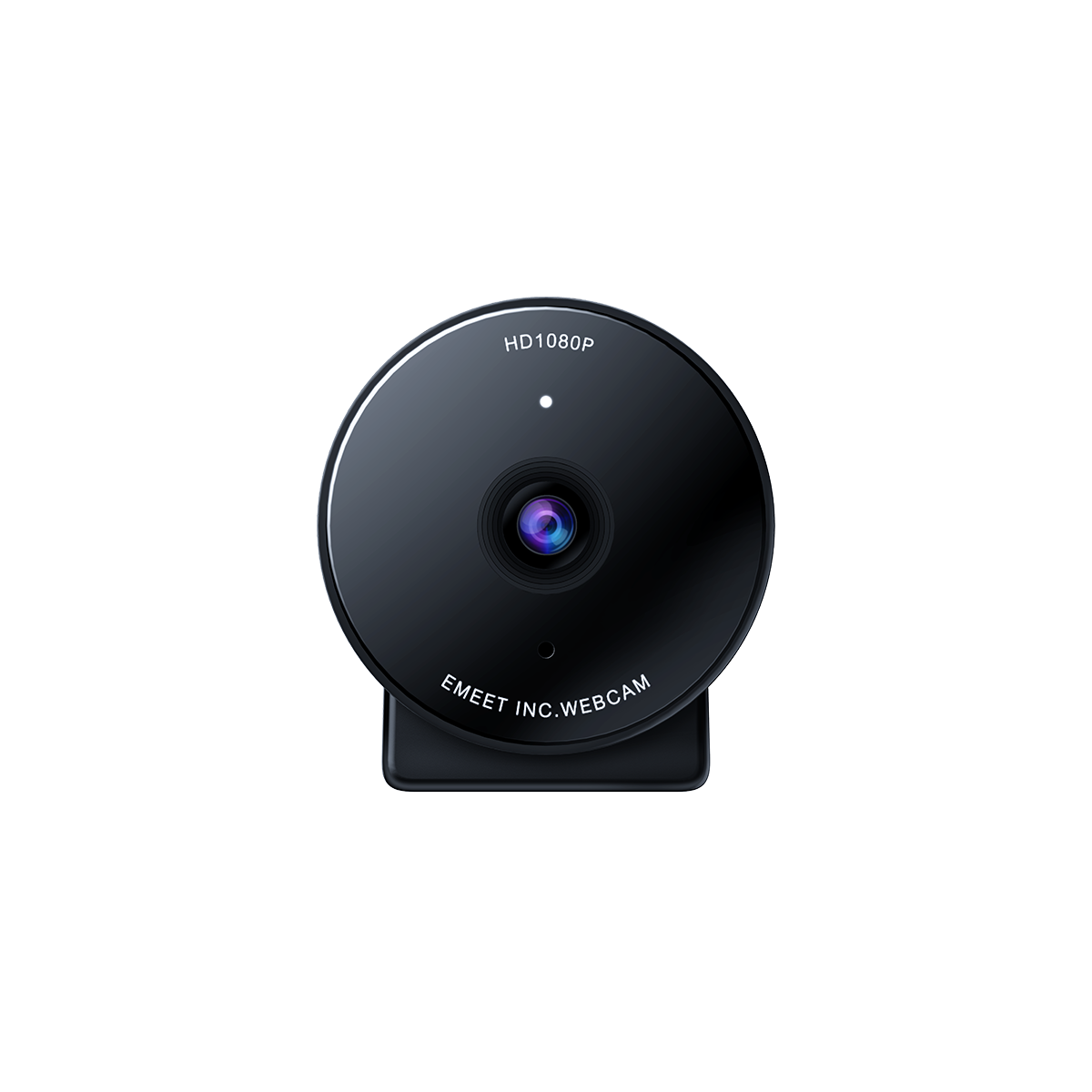
EMEET PIXY is an AI-enhanced webcam built for professionals who need consistent video quality without manual adjustments. It features auto-framing to keep you centered, lighting correction that adapts exposure in real time, and background management to blur or replace environments for privacy.
Use this quick decision framework:
- Audio-first environments (open offices, shared huddle rooms) → OfficeCore M3
- Video-first environments (home offices, client-facing calls) → PIXY
- Maximum integration → Both devices are plug-and-play with Zoom, Teams, and Google Meet.
What's Next for AI in Video Conferencing?
Post-2026 AI will focus on predictive preparation, emotional intelligence, and seamless cross-platform integration that erases the gap between in-person and virtual meetings.
Looking ahead, three developments are already visible on product roadmaps:
- Predictive meeting preparation: AI will analyze agendas and pre-load relevant documents for each participant before the meeting starts.
- Emotional intelligence: Systems will detect disengagement via gaze, tone, and participation patterns, then suggest real-time interventions or agenda adjustments.
- Cross-platform intelligence: AI will follow users across Zoom, Teams, Meet, and hardware devices without losing context, creating a single, unified meeting layer.
As these capabilities mature, the distinction between physical and virtual meetings will blur, delivering more natural and productive collaboration regardless of location.
